In the world of real estate investing, savvy investors often look for ways to maximize their returns while minimizing their tax liabilities. One powerful tool that can help achieve these goals is the 1031 exchange. If you’re considering real estate investments, understanding 1031 exchanges is essential for making smart financial decisions that can lead to significant wealth-building opportunities.
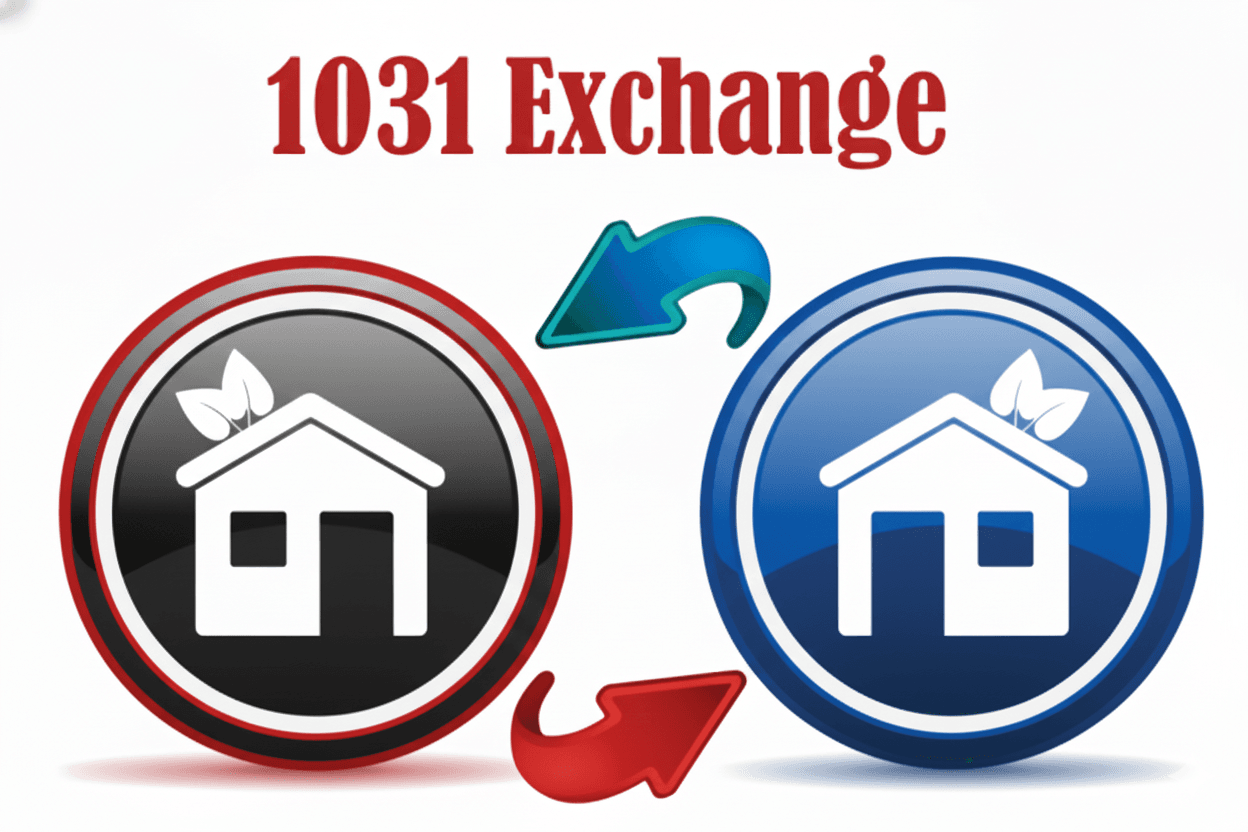
So, what is a 1031 exchange? Named after Section 1031 of the Internal Revenue Code, a 1031 exchange allows investors to defer capital gains taxes on the sale of an investment property by reinvesting the proceeds into a new property. This process can be incredibly beneficial, as it allows you to leverage your investments without the immediate tax burden that typically accompanies the sale of a property.
Let’s dive deeper into the nuts and bolts of how 1031 exchanges work and how you can leverage them in your investment strategy.
First, it’s crucial to understand that a 1031 exchange applies only to properties held for investment or business purposes. This means residential properties that you live in do not qualify. To take advantage of this tax-deferral strategy, the properties involved must be “like-kind.” This doesn’t mean they have to be identical but rather that they must be of the same nature or character. For instance, you could exchange a rental property for a commercial building or even raw land.
When you decide to sell your property and initiate a 1031 exchange, timing is everything. You have 45 days from the sale of your original property to identify potential replacement properties. This means it’s essential to have a plan in place before you even sell. The IRS allows you to identify up to three properties, and you can choose one or more of them for the exchange. However, you must close on the new property within 180 days of the sale of the original property.
One of the key benefits of a 1031 exchange is the ability to compound your investments. By deferring taxes, you can reinvest the entire proceeds from the sale into your new investment property, leading to more significant potential growth. Imagine selling a property that has appreciated significantly over the years. Instead of paying a hefty tax bill, you can reinvest that money into a higher-value property or even a portfolio of properties, setting yourself up for even greater returns.
However, navigating a 1031 exchange can be complex, and there are specific rules and regulations you must follow to ensure compliance. For instance, you need to use a qualified intermediary who will hold the proceeds from the sale of your original property until you complete the purchase of the replacement property. This step is critical to maintaining the tax-deferral benefit of the 1031 exchange. Working with knowledgeable professionals, like our experienced loan officers, can make this process smoother and ensure that all legal requirements are met.
It’s important also to understand the different types of 1031 exchanges available. The most common is the delayed exchange, which we’ve discussed. However, there are also reverse exchanges, where you acquire the new property before selling the old one, and improvements exchanges, where you can use the proceeds to make substantial improvements on a new property. Each type has its nuances, and understanding which option aligns best with your investment strategy is vital.
To successfully execute a 1031 exchange, several steps are critical to consider:
1. **Engage Professionals**: Partner with experienced real estate agents, qualified intermediaries, and mortgage professionals who understand the ins and outs of 1031 exchanges. Their expertise can save you time, stress, and potential missteps.
2. **Evaluate Potential Properties Ahead of Time**: Before you sell your current property, begin researching potential replacement properties. Knowing your market and having a list of properties you’re interested in can streamline the process once your original property sells.
3. **Understand Financing Options**: Financing can play a crucial role in your 1031 exchange. Talk to our loan officers about the best financing options available for your desired replacement property. Knowing your financing can help you make quicker decisions.
4. **Plan for Like-Kind Properties**: As you think about your investment strategy, consider the types of properties you want to acquire. Are you looking to diversify your portfolio? Understanding what “like-kind” means allows you to make informed choices that align with your long-term goals.
5. **Stay Aware of Deadlines**: The 45-day identification period and 180-day purchase window are critical. Mark these dates on your calendar and keep track of them diligently to ensure compliance with IRS regulations.
6. **Think Long-Term**: While a 1031 exchange offers immediate tax-deferral benefits, think about your long-term investment goals. Are you looking for cash flow? Potential appreciation? Consider how your new property fits into your overall strategy.
7. **Review Your Tax Situation**: Consult with a tax professional to understand how a 1031 exchange will impact your overall tax situation. They can help you navigate the complexities of tax laws related to real estate investments.
As you embark on your journey into property investments, mastering the art of 1031 exchanges can be a game-changer. It empowers you to grow your wealth more efficiently, allowing you to take full advantage of the opportunities in the real estate market.
If you’re ready to explore how a 1031 exchange can work for your specific needs and goals, don’t hesitate to reach out to our knowledgeable team. Let us help you pave the way to smarter property investments that align with your financial aspirations. Your path to mastering 1031 exchanges and achieving your investment dreams starts here. Contact us today!