Buying a home is a big step, and it can often feel overwhelming. One of the biggest hurdles for many potential homeowners is the down payment. Fortunately, there are options available that can make this part of the process much easier. Down payment assistance programs are designed to help you get into your dream home without the stress of saving a hefty amount for a down payment.
Understanding what down payment assistance is can be the first step in simplifying your homebuying journey. In essence, these programs provide financial aid to homebuyers, making it easier to afford a home. This assistance can come in different forms, such as grants, second mortgages, or forgivable loans. The goal is to reduce the amount of money you need upfront, allowing you to invest in your future without feeling financially strained.
One of the most significant benefits of down payment assistance is that it opens doors for many individuals and families who may have felt that homeownership was out of reach. If you have struggled to save enough for a down payment, these programs can be a game-changer. Many programs are specifically designed for first-time homebuyers, which means you could be eligible if you haven’t owned a home in the past three years.
Let’s explore some types of down payment assistance available:
1. **Grants:** These are funds provided by various organizations, including non-profits, state, and local governments that do not need to be paid back. Grants can help cover the down payment or even closing costs, making it easier to finalize your home purchase.
2. **Forgivable Loans:** In some cases, you may receive a loan that you do not have to repay if you meet certain conditions, such as living in the home for a set number of years. This type of assistance can significantly reduce your financial burden while allowing you to build equity in your home.
3. **Deferred Loans:** These loans allow you to postpone payments until you sell your home or refinance. This option can be particularly beneficial if you are currently on a tighter budget but want to invest in your future.
4. **Second Mortgages:** Some programs offer a second mortgage with lower interest rates that can cover the down payment. This option can make it easier to secure your first mortgage since you will have more funds available upfront.
Now that you know about the types of assistance available, let’s discuss how you can determine if you qualify for these programs. Each program has specific eligibility requirements, which may include income limits, credit score criteria, and geographic restrictions. Generally, those who earn less than the area median income may qualify for assistance.
To start, gather your financial documents, including income verification, tax returns, and bank statements. Having this information handy will make it easier for your mortgage loan officer to assess your situation and identify the right programs for you.
As you navigate the world of down payment assistance, it’s essential to have a knowledgeable partner by your side. Your mortgage loan officer can help you understand the various programs available and guide you in completing the necessary paperwork. They can also provide insights into the local housing market and help you find homes that fit within your budget.
Don’t hesitate to ask your loan officer questions. Understanding the details of each program can help you make informed decisions. For instance, ask about any specific requirements or deadlines associated with the assistance programs you are considering. Being proactive in gathering this information can save you time and reduce stress as you move through the homebuying process.
When considering down payment assistance, remember to think about your long-term goals. How long do you plan to stay in your new home? Are you looking to build equity quickly or maintain a lower monthly payment? Understanding your priorities will help you choose the right assistance program and loan option.
In addition, think about the importance of budgeting. Even with down payment assistance, it’s crucial to ensure that you can comfortably manage your monthly mortgage payments along with your other expenses. Your mortgage loan officer can help you create a budget that accounts for homeownership costs such as property taxes, homeowner’s insurance, and maintenance.
Another aspect to consider is the potential for future investments. Owning a home is not just about having a place to live; it can also be a significant financial investment. By utilizing down payment assistance, you can enter the housing market sooner and start building equity in your property. This can set the stage for future financial opportunities, such as upgrading to a larger home or investing in rental properties.
In some cases, there may be a waiting period before you can access certain assistance programs after applying. Being aware of these timelines can help you plan your homebuying journey effectively. Staying organized and informed will ensure you don’t miss out on opportunities.
Finally, continue to educate yourself on the homebuying process. Knowledge is power, especially in real estate. Consider attending homebuyer education classes, which can provide valuable insights and tips. Many organizations offer these classes, and some even incorporate information about down payment assistance programs.
In your excitement to buy a home, don’t overlook the importance of researching and understanding your options. Reach out to your mortgage loan officer to discuss your specific needs and explore how down payment assistance can make your dreams of homeownership a reality.
Take the time to connect and ask questions. The right guidance will illuminate the path ahead, making your homebuying journey more manageable and enjoyable. Your dream home is within reach, and with the help of down payment assistance, you can simplify the process and embark on a new chapter of your life. Reach out today to learn more about how we can help you achieve your homeownership goals!
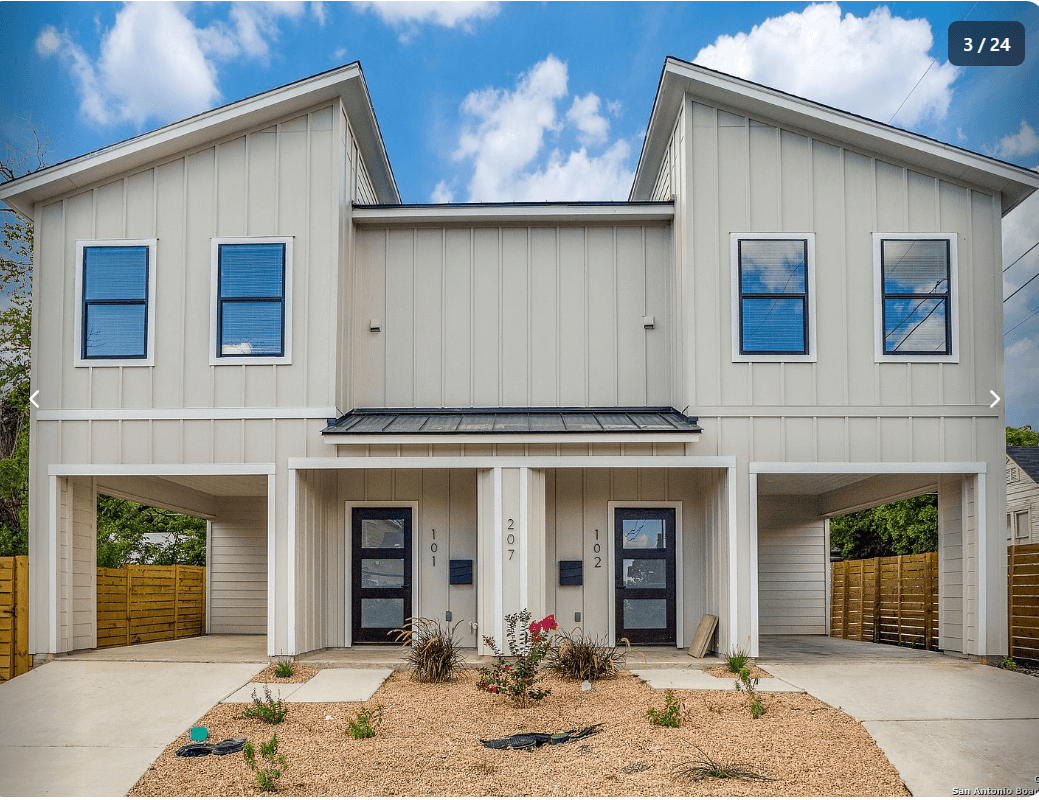
Text for mor info about down this property or any of the properties we have that qualify for DPA. 512-415-6142