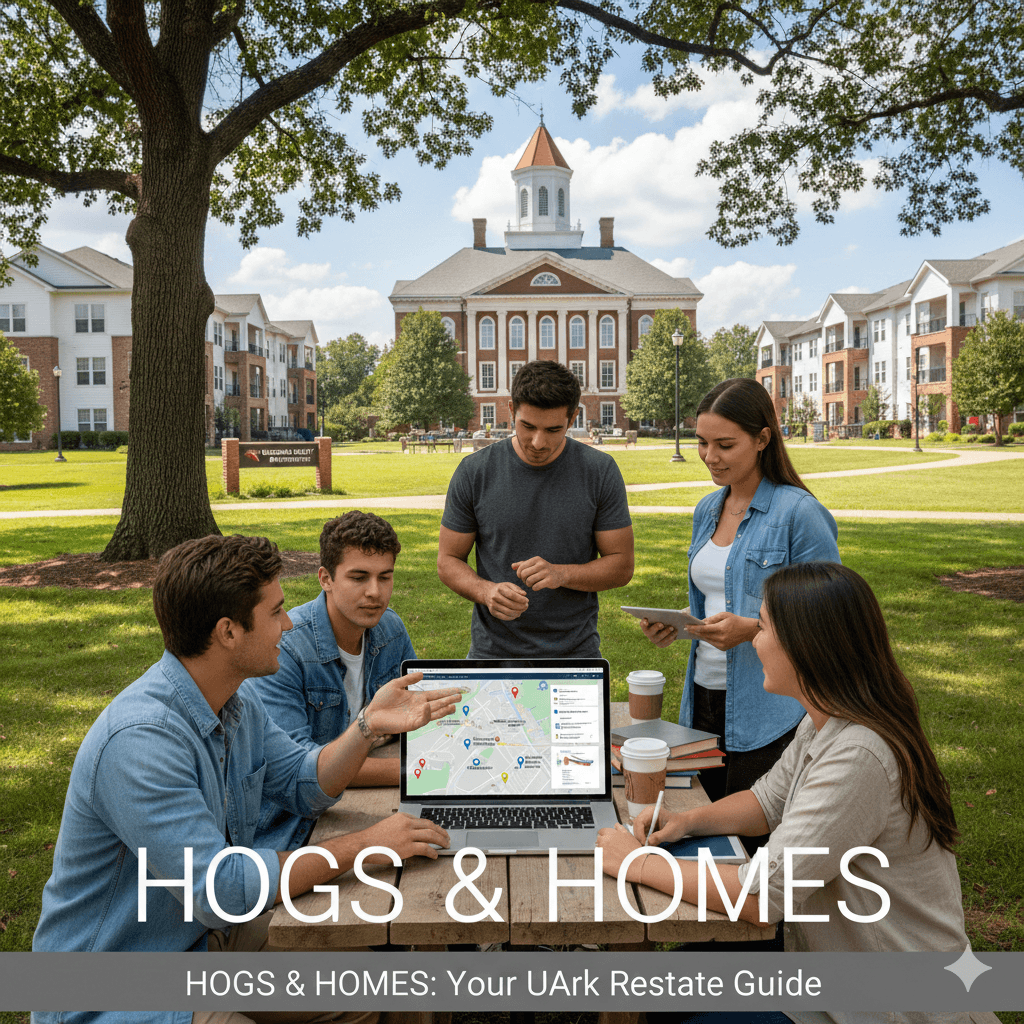
When considering the landscape of real estate investments, one area that stands out is the University of Arkansas. Located in Fayetteville, this vibrant city not only hosts a large student body but also has a growing community of professionals and families. For those looking to tap into profitable opportunities in the real estate market surrounding the University of Arkansas, understanding the nuances of this region can lead to informed decisions and successful investments.
Fayetteville is home to a diverse range of properties, from single-family homes to multi-unit apartment buildings. The student population at the University of Arkansas creates a strong demand for rental properties, especially in close proximity to campus. This demand translates into a steady stream of rental income for property owners. Investors can benefit by purchasing properties that cater to this demographic, particularly those that offer amenities and convenience.
One key factor to consider when exploring real estate opportunities near the University of Arkansas is the local rental market. Understanding the average rent prices, occupancy rates, and types of properties that appeal to students can provide insight into making smart investments. Properties with multiple bedrooms and bathrooms, along with shared living spaces, tend to attract students looking for affordable housing options.
Another important aspect is the growth of the University and its impact on the local economy. As the University of Arkansas continues to expand its programs and facilities, the surrounding community experiences growth as well. More faculty, staff, and graduate students are seeking housing, which increases the demand for quality rental options. Being aware of these trends can help investors capitalize on emerging opportunities before they become mainstream.
It’s also beneficial to keep an eye on the developments happening in Fayetteville itself. The city has invested in infrastructure improvements and community projects that enhance the quality of life for residents. These improvements often lead to increased property values, making them attractive options for investment. Properties located near parks, shopping centers, and public transportation typically see higher demand, as they offer convenience to both students and families.
When considering purchasing property in this area, it’s crucial to conduct thorough research. Look into the neighborhood dynamics, crime rates, and school district ratings. Areas with lower crime rates and good schools tend to attract families, while proximity to the University is a must for attracting students. Understanding these factors can help guide your investment choices, ensuring that you select properties that will appreciate over time.
Financing is another critical component of investing in real estate, particularly for first-time buyers. Working with knowledgeable mortgage loan officers can help you navigate the various financing options available, including conventional loans, FHA loans, and even investment property loans. A skilled loan officer can provide guidance tailored to your financial situation, making it easier to explore which mortgage products align with your goals.
If you are a first-time investor, it may be wise to start with a property that requires minimal renovations. A move-in ready home or a well-maintained multi-unit property can generate income more quickly, reducing the time and cost associated with extensive renovations. On the other hand, if you are up for a project, consider properties that need cosmetic improvements, as these can often be purchased at lower prices and have the potential for increased value after renovations.
Networking with local real estate professionals, including property managers and real estate agents specializing in the area, can also provide valuable insights. These connections can help you stay informed about the local market trends, available properties, and potential investment opportunities.
If you are considering investing in rental properties, think about what amenities are appealing to prospective tenants. Features like in-unit laundry, off-street parking, and updated kitchens can attract higher-paying tenants. Furthermore, properties with outdoor spaces or those located near recreational areas can also be a significant selling point.
Additionally, you might want to explore the possibility of investing in student housing cooperatives or shared living spaces, which can be an innovative way to meet the unique demands of the university market. These housing options not only provide affordable living but also foster a sense of community among tenants, making them desirable choices for students.
Tax considerations are also an essential part of real estate investing. Understanding how depreciation, property taxes, and deductions can impact your overall profitability is crucial. A knowledgeable mortgage loan officer can help you assess how various financing options may affect your tax situation, ensuring you make informed decisions.
As you look into opportunities, it’s also worth considering the potential for value-add strategies. This may include making enhancements to the property that improve its appeal, such as updating the kitchen or landscaping, or even converting a single-family home into multi-units. Each of these changes can significantly increase rental income and property value.
For those who prefer a more hands-off approach, real estate investment trusts (REITs) focusing on student housing are another avenue to explore. This allows you to invest in the real estate sector without the responsibilities of direct property management. REITs often pay dividends, providing a steady income stream while capitalizing on the growing demand for housing in university markets.
Your investment strategy should align with your specific financial goals and risk tolerance. Whether you are looking for immediate cash flow, long-term appreciation, or a combination of both, developing a clear plan will help you stay focused as you explore the opportunities available in the University of Arkansas real estate market.
As you navigate through the real estate landscape, it is essential to work with professionals who can help you achieve your goals. By reaching out, you can discuss your specific needs, explore financing options, and get personalized advice tailored to your situation. Don't hesitate to connect with us for expert insights into how you can discover and capitalize on profitable opportunities in the University of Arkansas real estate market. Together, we can help you embark on a successful investment journey.